
Affordable Wisdom Teeth Removal by an Experienced Melbourne Dentist
Pain, swelling, or discomfort at the back of your mouth is often the first sign your wisdom teeth need attention. At The Affordable Dentist Melbourne, we assess each case individually and recommend the right treatment for you, whether that’s a simple extraction or a more involved surgical procedure.
Dr Paulo Pinho has over 20 years of clinical experience and has performed more than 60,000 wisdom teeth removals. That depth of experience means you get clear, honest guidance from your first consultation through to recovery, rather than a one-size-fits-all treatment plan.
Wisdom teeth removal starts from $225, with transparent pricing and a choice of local anaesthetic, IV sedation, or general anaesthetic depending on your case.
Book a consultation today for a personalised assessment and treatment plan.

Dental Implants Placed

Wisdom Teeth Removed

Invisible Braces Placed

Teeth Whitening Completed
Why Choose Dr Paulo Pinho for Wisdom Teeth Removal?
Why patients choose us:
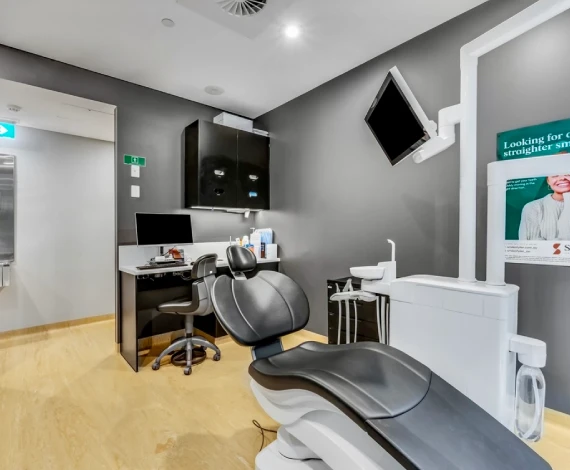
Whether you’re dealing with a painful impacted tooth, recurring infections, or a referral from your regular dentist, our aim is straightforward: experienced care, explained clearly. Read more about our practice and approach.
Wisdom Teeth Removal Cost in Melbourne
There’s no single price for wisdom teeth removal, because the cost genuinely depends on your situation. The main factors are:
- How many teeth need removing – one tooth costs less than a full set
- Whether the tooth is impacted – impacted teeth take longer and require more surgical skill than a tooth that’s already erupted
- Where treatment is carried out – a simple in-chair extraction costs less than a procedure completed in hospital
- The anaesthetic required – local anaesthetic is included in the base fee, while sedation or general anaesthetic adds separate costs
Our fees:
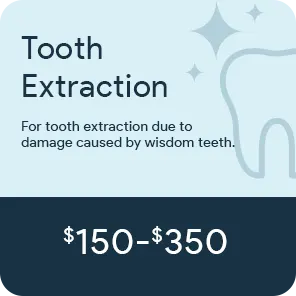
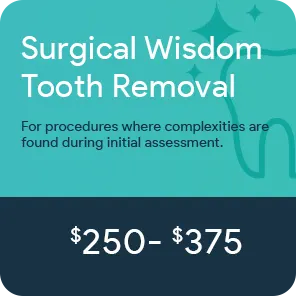
- Simple wisdom tooth removal: from $225 per tooth
- Complex wisdom tooth removal: up to $375 per tooth
If IV sedation or general anaesthetic is needed, additional hospital and anaesthetist fees may apply on top of these figures:
- Hospital fees typically range from $550 to $850, depending on the hospital
- Anaesthetist fees may be eligible for a Medicare rebate
If you’ve held eligible private health insurance for the required waiting period, your out-of-pocket costs may be lower depending on your level of cover. We’ll confirm exactly which of these factors apply to you and provide a personalised quote at your consultation, so there are no surprises later.

Don’t take our word for it!
Check out our Google Reviews

Why Wisdom Teeth Become a Problem
Wisdom teeth are the last adult teeth to come through, usually during your late teens or early twenties. While some people never have any issues, others develop pain, swelling, or infections simply because there isn’t enough room in the jaw for these teeth to erupt properly.
When space is tight, a wisdom tooth can get stuck beneath the gum, come through at an angle, or only partially break the surface. Each of these situations creates a pocket where food and bacteria collect, which is why wisdom teeth are so often linked to infection and gum inflammation rather than tooth decay alone.
Their position at the very back of the mouth also makes them genuinely hard to clean, even with good brushing habits. That’s the real reason dentists keep an eye on them: it’s not the tooth itself that’s the problem, it’s how difficult it is to keep clean once it’s only partly through. Regular check-ups and X-rays let your dentist track this over time, catching issues while they’re still simple to treat. The Australian Dental Association recommends routine exams for exactly this reason.
When Is Wisdom Teeth Removal Recommended?
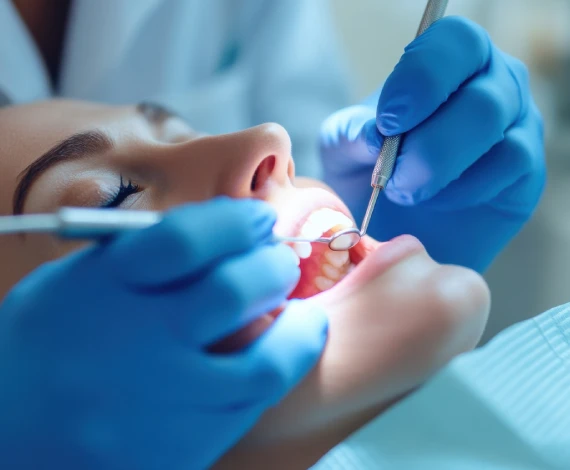
Removal tends to be recommended when a tooth is already causing problems, or is heading that way. Signs worth getting checked include:
Some wisdom teeth cause damage gradually rather than painfully, contributing to gum disease, pushing against the tooth beside them, or forming a cyst around the crown. That’s why an X-ray tells us more than symptoms alone. During your consultation, Dr Pinho will examine your teeth, review your imaging, and advise honestly whether monitoring or removal fits your situation. Early assessment isn’t about rushing into surgery; it’s about knowing your options before a minor issue turns into a complicated one.
Types of Wisdom Teeth and What Each One Means for Treatment
Fully Erupted Wisdom Teeth
Partially Erupted Wisdom Teeth
Impacted Wisdom Teeth
Simple vs Surgical Wisdom Teeth Removal
| Simple Extraction | Surgical Extraction |
| Tooth has fully erupted | Tooth is partially or fully impacted |
| Usually local anaesthetic | May need local anaesthetic, IV sedation, or general anaesthetic |
| Less complex procedure | Suited to more complex cases |
| Often a shorter recovery | Recovery varies with complexity |
Some patients only need one tooth removed; others benefit from having several taken out in the same visit, which can also mean less overall recovery time compared with separate appointments. Your recommendation will always be based on your own examination and imaging, not a standard package.
What Happens During Your Consultation?
Specifically, we will:
If removal isn’t urgent, ongoing monitoring may be the better path, and we’ll say so. If it is recommended, we’ll walk you through the procedure and recovery in plain terms before you decide anything.
The Wisdom Teeth Removal Procedure

Examination And Treatment Planning

Anaesthetic or Sedation

Removing the Tooth

Completing the Procedure
Our Staff
Affordable Dentistry is our Passion

Dr Paulo Pinho
Dr Pinho is the founder of The Affordable Dentist Melbourne and made his goal to provide Affordable High Quality dentistry in Australia.

Dr Michael Spiteri
Dr Spiteri is responsible for most surgical dental extractions under local anaesthetic in Sydney.

Dr Naser Albarbari
Dr Abarbari offers surgical extractions including the removal of impacted wisdom teeth for our service.

Vicky Wang
Vicky is our second longest team member. Very popular and loved by all in our service.

Dr Albinia David
Dr Albinia satisfied the requirements of The Australian Dental Council as a General Dentist in 2021.

Joanna is possibly the most popular member of our team.

Dr Evan Kuo
Dr Kuo believes that good dentistry work should last a life time.

Dr Gunaridis
Dr Gunaridis is known as one of the most accomplished dental implant surgeons in Australia.

Dr David Jang
David performs most complex cases with extremely high success rates.
Sedation and Anaesthesia Options

Local anaesthetic: is standard for straightforward extractions. It numbs the area so you shouldn’t feel pain, though you may notice some pressure or movement.

IV sedation: suits patients who feel anxious, need multiple teeth removed, or are facing a more complex procedure. You stay deeply relaxed throughout while being closely monitored.

General anaesthetic: is reserved for more complex cases and performed in a hospital setting under appropriate medical supervision.
We’ll talk through your medical history and preferences before recommending an option, because the right choice depends on your treatment needs and overall health, not a default setting.
Recovery After Wisdom Teeth Removal

The first 24 hours
Days 2–3
The first week
When to contact your dentist
Why Early Assessment Is Worth Doing
An early assessment lets your dentist track how your wisdom teeth are developing and time treatment appropriately, rather than reacting once you're already in pain. Addressing a problematic tooth before real damage occurs can help:
Recommendations are always based on a proper examination and imaging, not your age or a general rule of thumb.
Your Next Step
Recurring pain at the back of your mouth is worth getting checked rather than managing with painkillers. At the same time, not every wisdom tooth needs to come out, and plenty of patients simply need monitoring.
An assessment is what gives you clarity either way. In one appointment, you’ll know exactly where you stand, what (if anything) needs treating, and what it will cost.
Whether you’re dealing with ongoing discomfort or just want to understand your options before a problem starts, book your consultation with Dr Paulo Pinho for a personalised treatment plan and honest advice based on your individual situation.
Frequently Asked Questions
- +Can I leave my wisdom teeth as long as they’re not giving me pain?
- Yes. Having pain is not always the reason for pulling out the wisdom tooth. You can choose to just have your wisdom tooth monitored as long as it is healthy, erupting well, easy to clean and does not affect the neighbouring teeth.
- +What methods do dentists use to determine whether extraction of my wisdom teeth is necessary?
- Clinical evaluation is not the sole criterion used for evaluation. Typically, digital X-rays would be taken by your dentist so that they can evaluate the positioning of the wisdom teeth, their closeness to adjacent nerves or teeth, whether they are impacted and whether they will be a source of future complications.
- +Is it wise to extract wisdom teeth before there is any trouble with them?
- Sometimes it is better to do so because if the X-ray shows that your wisdom teeth won’t come out properly and already interfere with other teeth, it may be better to deal with this problem beforehand and prevent further problems. However, in other cases, it is not necessary
- +Will I be awake for my wisdom teeth extraction?
- The majority of wisdom teeth extraction procedures are conducted using local anaesthesia, which means that while you’ll be awake, you won’t feel any pain from the surgery site. However, in more complicated cases or when the patient feels overly anxious, IV sedation and general anaesthesia may be recommended.
- +How long will it take to recover?
- Most people find that they are ready to go back to their normal routine, be it work or school, after a couple of days, although the healing process can take up to a few weeks. It is normal for swelling to reach its peak after two to three days and then slowly go down.
- +What is a dry socket and can it be prevented?
- Dry sockets develop if the protective blood clot that forms in the mouth does not form or gets knocked loose from the site before it heals. It may not be very common, but it is certainly uncomfortable. One way to prevent it is to strictly follow the aftercare instructions provided by your dentist.
- +Can all four wisdom teeth be extracted in one appointment?
- If it is medically necessary, yes. There are many individuals who would prefer their wisdom teeth be extracted simultaneously so that there will only be one process and recovery time needed. This would be determined by your dental status and the condition of your teeth.
- +When can I resume my regular diet?
- Normally, soft foods would be what you eat for one or two days, as the process of healing at the surgical site begins. You will be able to add firmer foods into your diet as you feel more comfortable and the healing is progressing. It will all depend on how well you recover.
- +Do wisdom teeth become harder to extract as people age?
- This is not always true because the growth of roots and bone around them accelerates with age, making extraction more difficult. This is not to say that elderly persons cannot successfully receive treatment. It just emphasises the significance of monitoring wisdom teeth while they are still young.
- +What do I need to bring for my consultation?
- If you have recent X-rays or any letters from your dentist, please bring them along. It would also be good for you to compile a list of symptoms, your current medications, any existing medical problems, and questions that you might want answers to. The consultation is a chance for you to learn whether you need treatment and what your options are.